Skip to content
Anton GoncharovAI systems developer

Books and courses on AI and development Always learning

Books, university courses, online courses and experiments that my projects grow out of. For each one — a short summary, key ideas and where I applied it.

Student at MSU, Faculty of Computational Mathematics and Cybernetics

Lomonosov Moscow State University, Faculty of Computational Mathematics and Cybernetics (CMC), program “Developer of Artificial Intelligence Systems”.

Anton Goncharov
In AI, what was best practice six months ago may turn out to be a mistake today. That’s why learning for me isn’t a stage, it’s part of the job.
Anton GoncharovAI systems developer · Python

Studying now

  • Reading

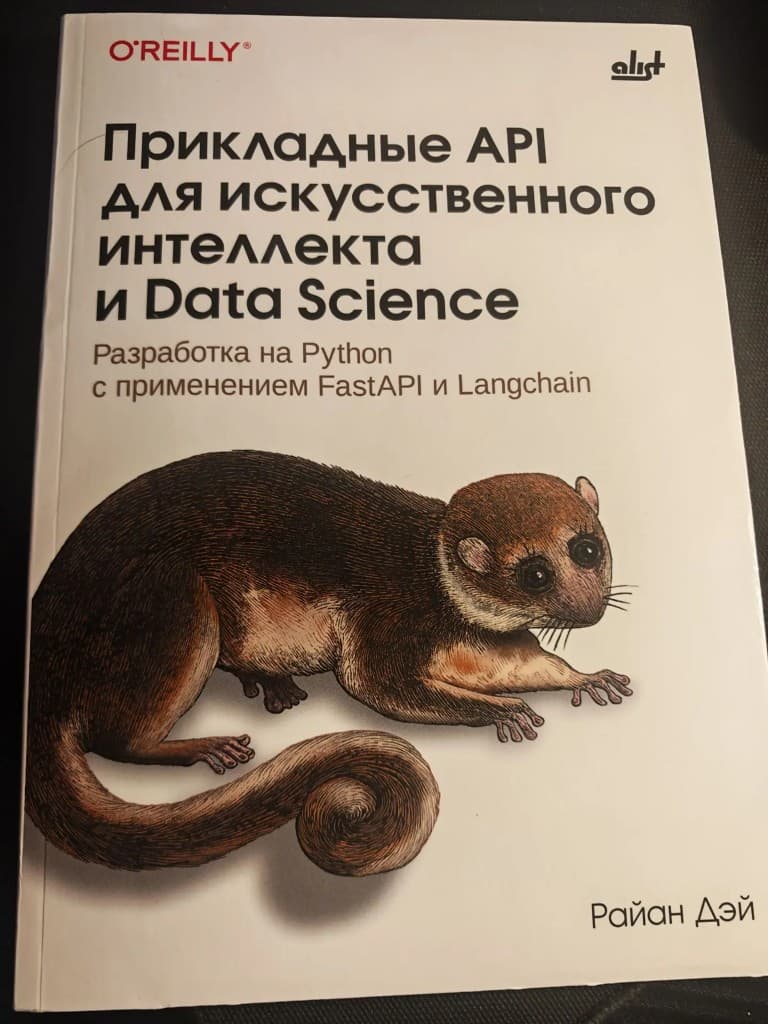
    Hands-On APIs for AI and Data Science

    Ryan Day

    A practical book on building an API for data and connecting AI to it. The running project is a FastAPI service with a database and documentation, then an SDK for it, using the API in analytics and, finally, LangChain agents that call the API themselves.

    AI and agentsPythonAPIApplied in 3 projects
  • Reading

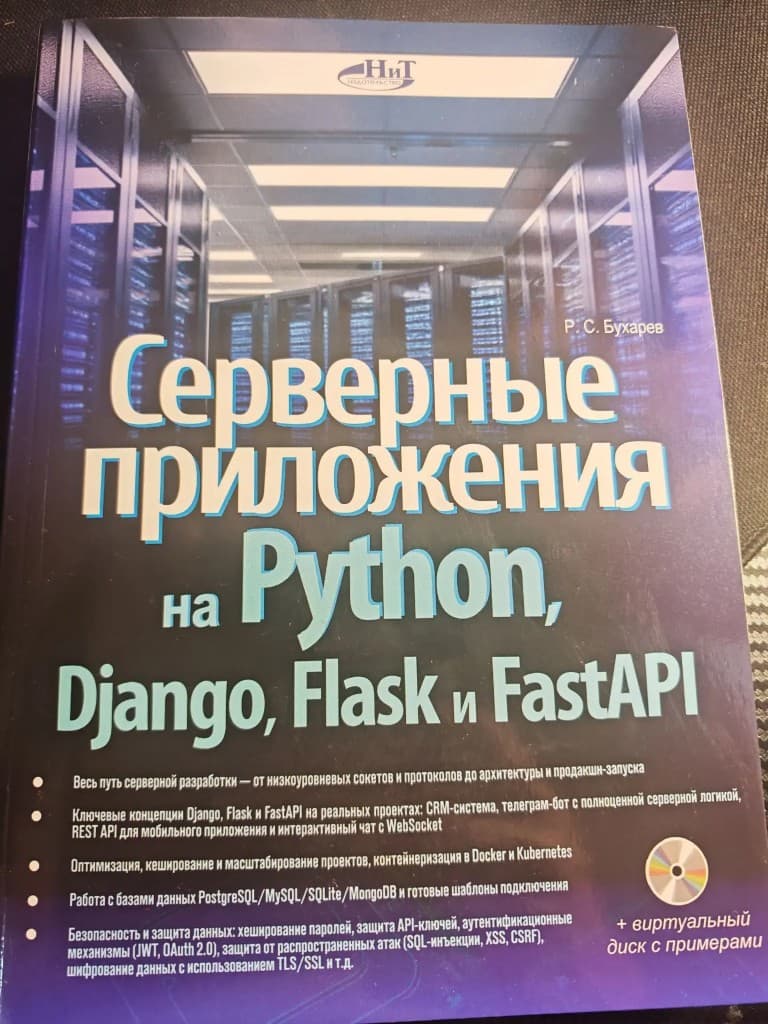
    Server Applications in Python, Django, Flask and FastAPI

    R. S. Bukharev

    The path of server-side development in Python, from sockets and protocols to architecture and launch on a server. Django, Flask and FastAPI are covered through real projects: a CRM system, a Telegram bot with server-side logic, a REST API for a mobile app and a WebSocket chat. Separate chapters cover caching and scaling, Docker and Kubernetes, PostgreSQL, MySQL, SQLite and MongoDB, and security: password hashing, JWT and OAuth 2.0, protection against SQL injection, XSS and CSRF, TLS.

    ProgrammingPythonBackendApplied in 1 project
  • Reading

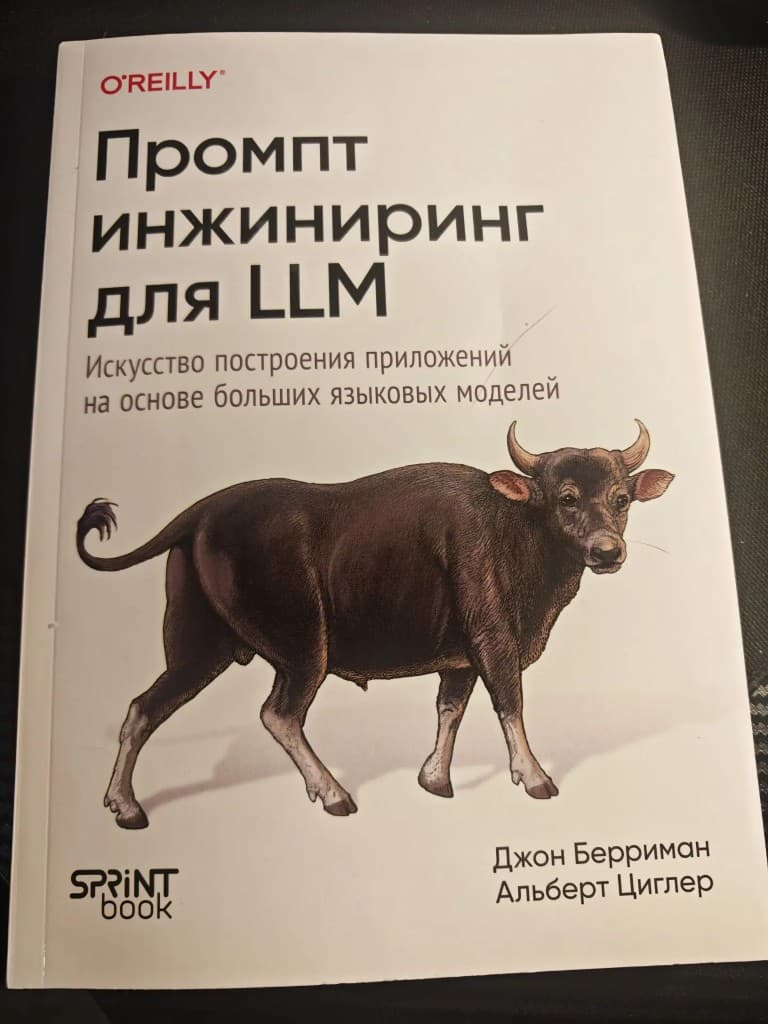
    Prompt Engineering for LLMs

    John Berryman, Albert Ziegler

    The authors are engineers who built GitHub Copilot. The book isn’t about “magic phrases” but about how to build an application around a model: how an LLM sees text, how to assemble context for it from user data, how conversational agents with tools and multi-step workflows work, and how to evaluate answer quality.

    AI and agentsLLMPrompt engineeringApplied in 3 projects
  • Reading

    Code: The Hidden Language of Computer Hardware and Software

    Charles Petzold

    Petzold builds a computer from scratch right on the pages of the book: from Morse code, Braille and a flashlight to relays, logic gates, a binary adder, memory and a processor that runs a program. No formulas — only sequential steps, each of them clear.

    ProgrammingComputer architectureApplied in 3 projects
  • Studying

    Operating Systems

    CMC MSU

    A discipline of the “AI Systems Developer” program at the Faculty of Computational Mathematics and Cybernetics of Moscow State University. Studying it now. How an operating system manages processes and threads, memory, files and devices, and how programs interact with it through system calls. Alongside, I’m reading the textbooks by Tanenbaum and the Deitels.

    ProgrammingOperating systemsApplied in 4 projects
  • Reading

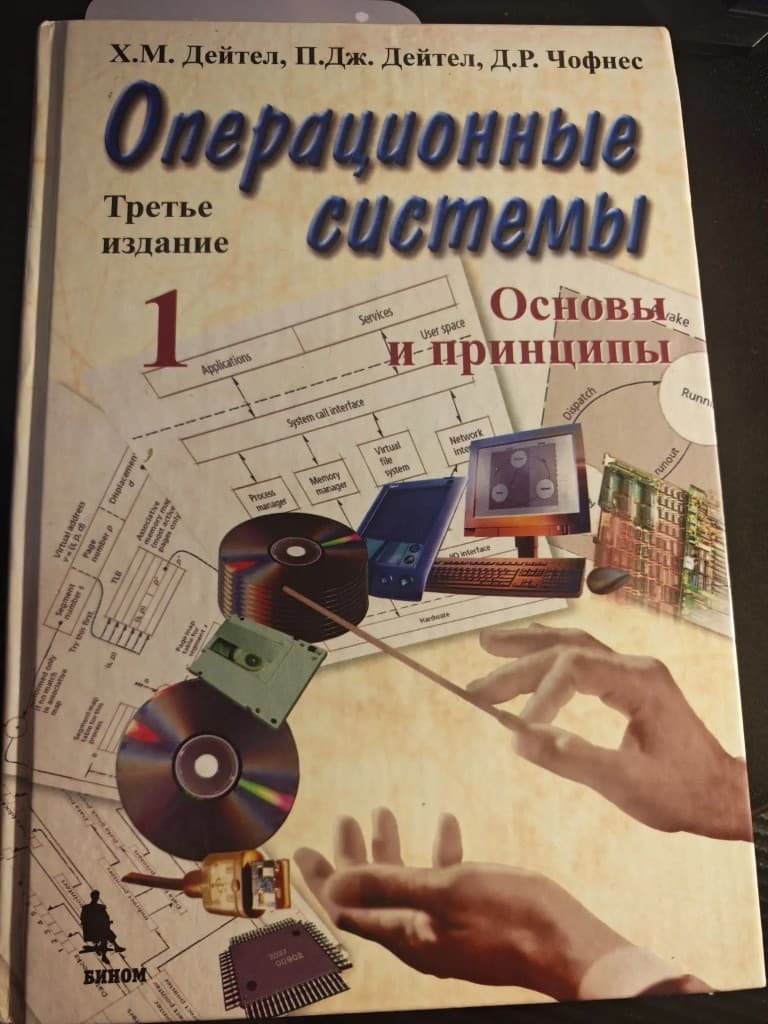
    Operating Systems

    Harvey Deitel, Paul Deitel, David Choffnes

    The first volume of the Deitels’ textbook: the hardware and software environment of an OS, processes and threads, asynchronous concurrent execution, mutual exclusion, deadlocks, processor scheduling, real and virtual memory.

    ProgrammingOperating systemsApplied in 2 projects
  • Studying

    Python Development

    CMC MSU

    A discipline of the “AI Systems Developer” program at the Faculty of Computational Mathematics and Cybernetics of Moscow State University. Studying it now. Python as the main language for AI systems: from how the language and standard library work to developing and maintaining applications.

    ProgrammingPythonApplied in 3 projects
  • Reading

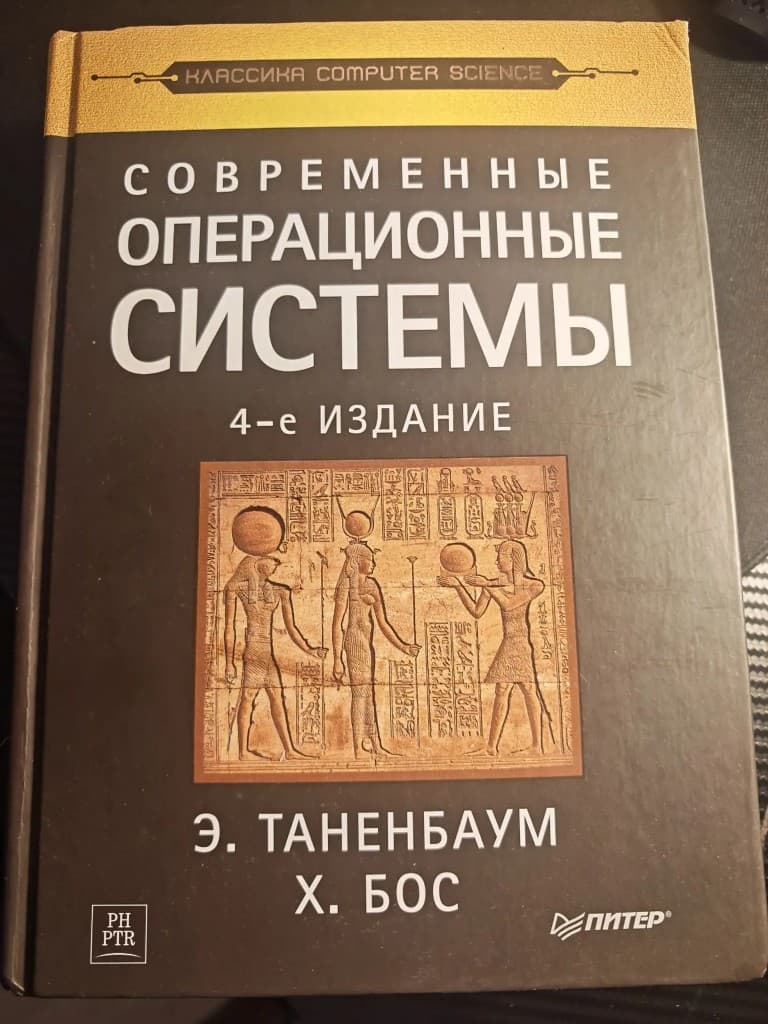
    Modern Operating Systems

    Andrew S. Tanenbaum, Herbert Bos

    The classic textbook on how operating systems work: processes and threads, memory management, file systems, input/output, deadlocks, virtualization, multiprocessor systems and security. At the end, Linux, Android and Windows are examined.

    ProgrammingOperating systemsApplied in 3 projects
  • Studying

    Discrete Structures

    CMC MSU

    A discipline of the “AI Systems Developer” program at the Faculty of Computational Mathematics and Cybernetics of Moscow State University. Studying it now. The mathematical foundation of computer science: sets and relations, logic, combinatorics and graphs — what algorithms, databases and models are built on.

    MathematicsDiscrete mathematicsApplied in 4 projects
  • Reading

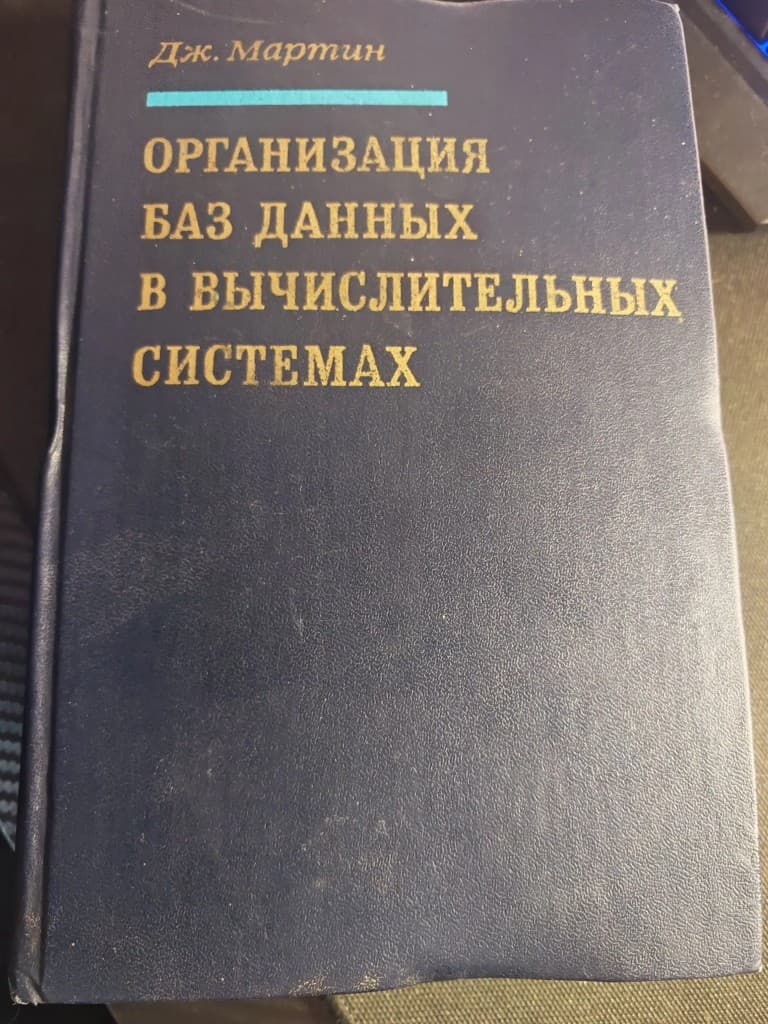
    Computer Data-Base Organization

    James Martin

    A 1970s classic on how databases work inside. Martin separates the logical organization of data — how programs see it — from the physical — how it lies on disk — and covers hierarchical, network and relational structures, indexes, hashing, inverted files and data protection.

    DatabasesApplied in 3 projects
  • Reading

    The Willpower Instinct

    Kelly McGonigal

    A book based on “The Science of Willpower”, the course Kelly McGonigal teaches at Stanford. She divides self-control into three powers — “I will”, “I won’t” and “I want” — and uses research to explain why we lapse and procrastinate and how to fix it.

    HabitsPsychologyApplied in 2 projects
  • Reading

    A Textbook of Logic

    Georgy Chelpanov

    A classic school textbook of formal logic used for decades. Brief and rigorous: concepts and definitions, judgments, syllogisms, induction, analogy, hypothesis and proof, logical fallacies.

    LogicThinkingApplied in 3 projects
  • Reading

    What the Bleep Do We Know!?

    William Arntz, Betsy Chasse, Mark Vicente

    A book based on the film What the Bleep Do We Know!?: physicists, neuroscientists and spiritual teachers reflect on quantum physics, the workings of the brain and the perception of reality. The main question is how far our view of the world is determined by habits of thinking and whether it can be changed.

    PhilosophyThinkingApplied in 3 projects

Shelf

All: 12 shown

  • Finished

    Vibe Coding: Software Development in the Age of AI

    Fan Wenjie, Li Jianchao, Yan Xiaofan, Zhang Bin

    A book about vibe coding, development in which a human states the goal and AI writes the code. The authors trace the path from machine code and no-code platforms to LLMs and review the ecosystem: chatting with a model, AI in the IDE and agents that carry a task from start to finish. The practical part covers prompts and Cursor setup, product requirements, review of AI-written code, and an end-to-end example: a backend, a web interface and deployment via GitHub Actions. The last chapter is about the limits of the approach and the skills a developer needs now.

    AI and agentsProgrammingApplied in 3 projects
  • Finished

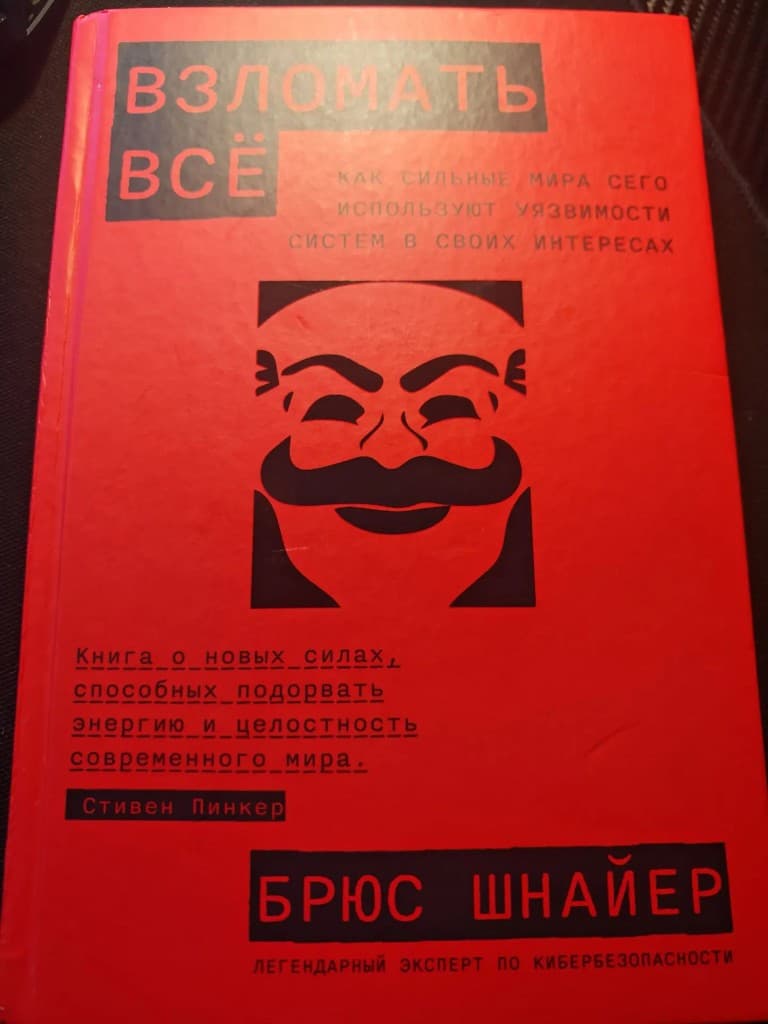
    A Hacker’s Mind

    Bruce Schneier

    A book about how people and organizations exploit loopholes in rules: taxes, laws, markets, platforms. For Schneier, a hack is an action the system formally allows but that subverts its intent. For AI development, the key part of the book is the chapter on AI: a model given a narrow goal finds “legal” workarounds by itself and meets the metric while breaking the point of the task.

    AI and agentsSecuritySystems thinkingApplied in 3 projects
  • Finished

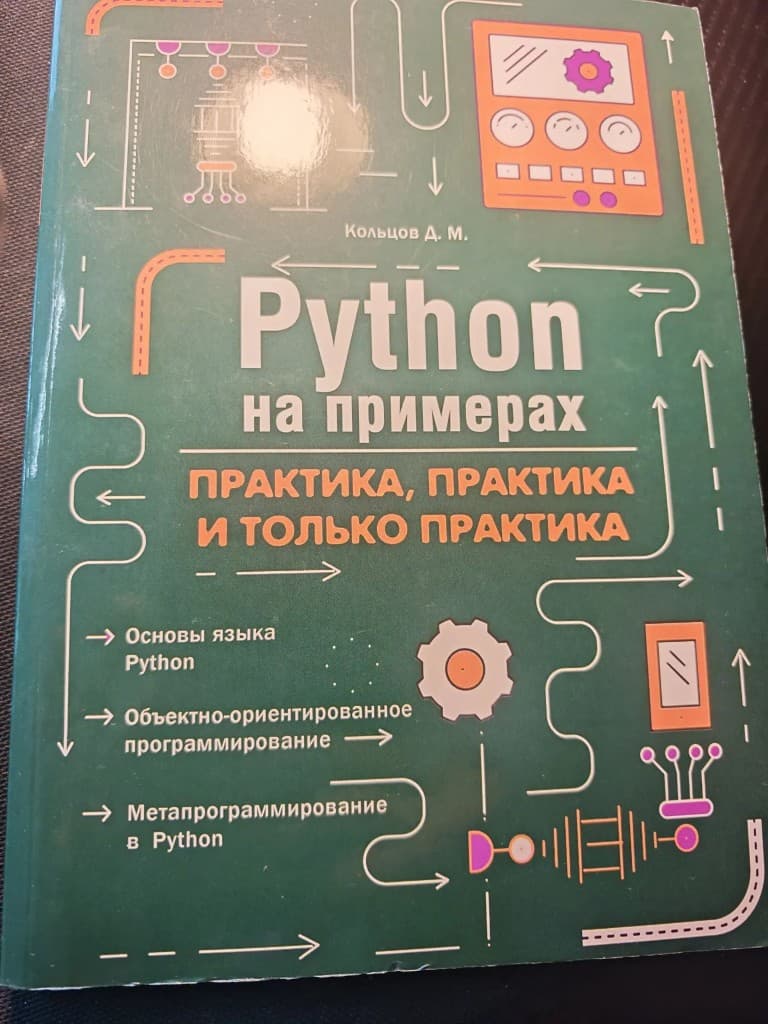
    Python by Example: Practice, Practice and Only Practice

    D. M. Koltsov

    A Python workbook: language basics, object-oriented programming and metaprogramming. Minimal theory: every topic is covered through examples you can run and modify.

    ProgrammingPythonApplied in 3 projects
  • Finished

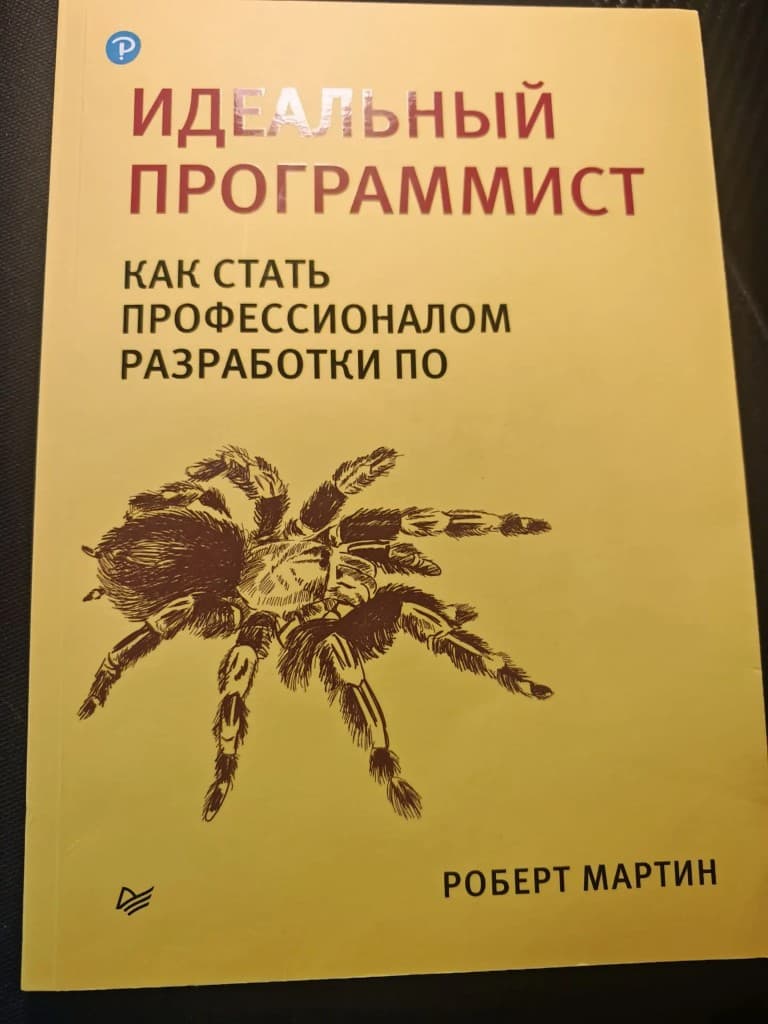
    The Clean Coder

    Robert C. Martin

    A book about what distinguishes a professional developer from someone who can just write code: responsibility for the result, the ability to say “no”, honest estimates, tests and constant practice. Martin goes through his own mistakes over decades of his career, from missed deadlines to projects he shouldn’t have taken.

    ProgrammingProfessionalismApplied in 3 projects
  • Finished

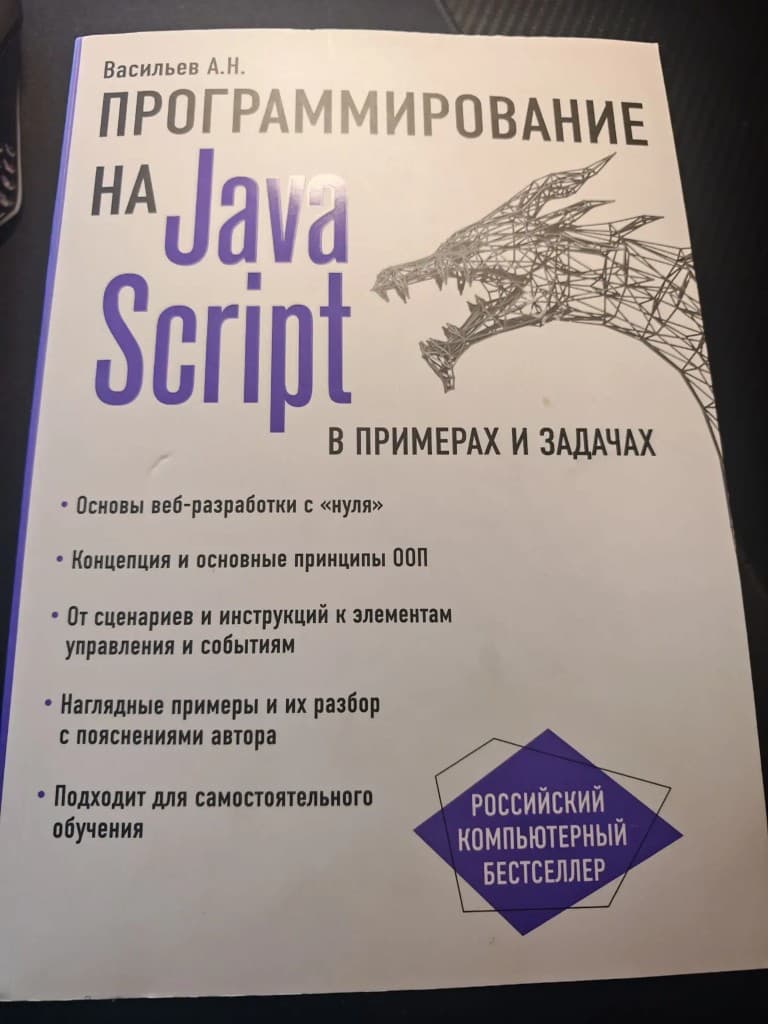
    JavaScript Programming in Examples and Exercises

    Alexey Vasiliev

    A JavaScript textbook for web development from scratch: from variables and functions to objects, OOP, events and working with page elements. Each topic comes with worked examples and the author’s explanations.

    ProgrammingJavaScriptApplied in 3 projects
  • Finished

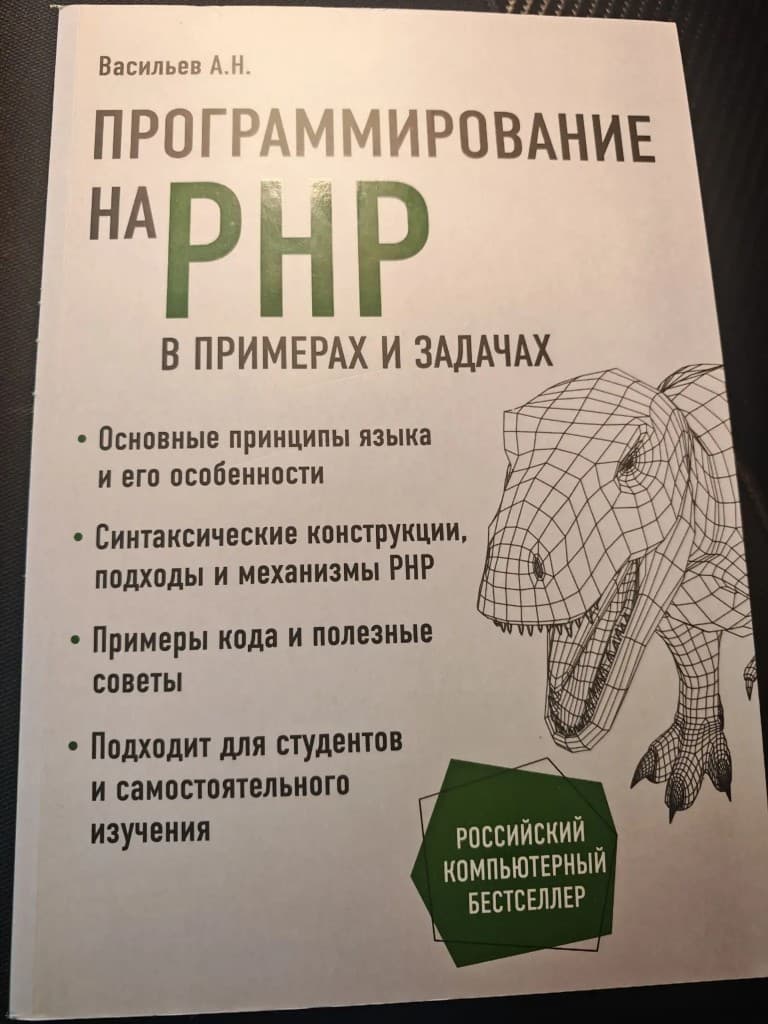
    PHP Programming in Examples and Exercises

    Alexey Vasiliev

    A PHP textbook from syntax basics to object-oriented programming. Each topic is covered with code examples and explanations, with exercises for self-testing at the end of the chapters.

    ProgrammingPHPApplied in 2 projects
  • Finished

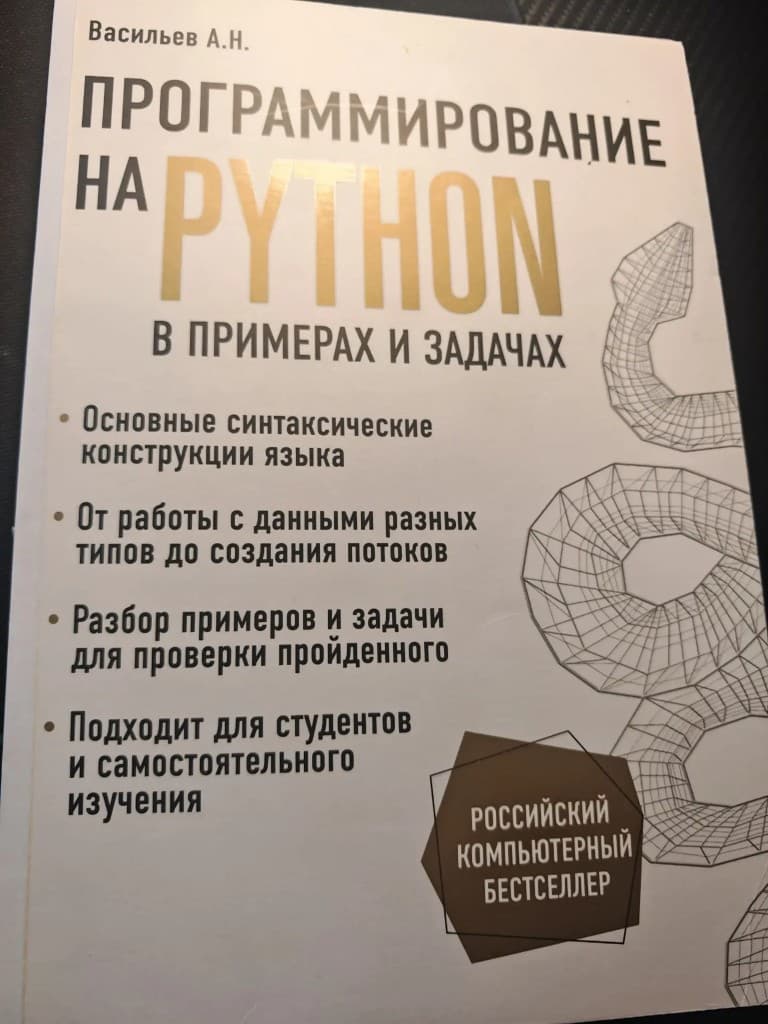
    Python Programming in Examples and Exercises

    Alexey Vasiliev

    A Python textbook from syntax to working with different data types, classes and threads. Each topic comes with worked examples and exercises to check what you’ve learned.

    ProgrammingPythonApplied in 4 projects
  • Exam passed

    Databases

    CMC MSU

    A discipline of the “AI Systems Developer” program at the Faculty of Computational Mathematics and Cybernetics of Moscow State University. Exam passed. The course is about storing data reliably and finding it quickly: the relational model and SQL, schema design and normalization, indexes, transactions and concurrent access.

    DatabasesSQLApplied in 3 projects
  • Finished

    The Warrior Within

    John Little

    John Little retells Bruce Lee’s philosophy in plain language and shows how to apply martial arts principles in everyday life: at work, in relationships and in arguments with yourself. It’s rooted in Taoism and Zen: flexibility instead of rigid rules, attention to the present moment and honesty with yourself.

    PhilosophyApplied in 3 projects
  • Finished

    Bruce Lee: Artist of Life

    Bruce Lee

    A collection of Bruce Lee’s essays, letters and notes on philosophy, martial arts and self-knowledge, compiled by John Little. Here Lee explains why he abandoned styles and arrived at Jeet Kune Do, the “style of no style”. The main idea is on the cover: a teacher doesn’t hand out ready-made truth, they only help you explore yourself.

    PhilosophyApplied in 3 projects
  • Finished

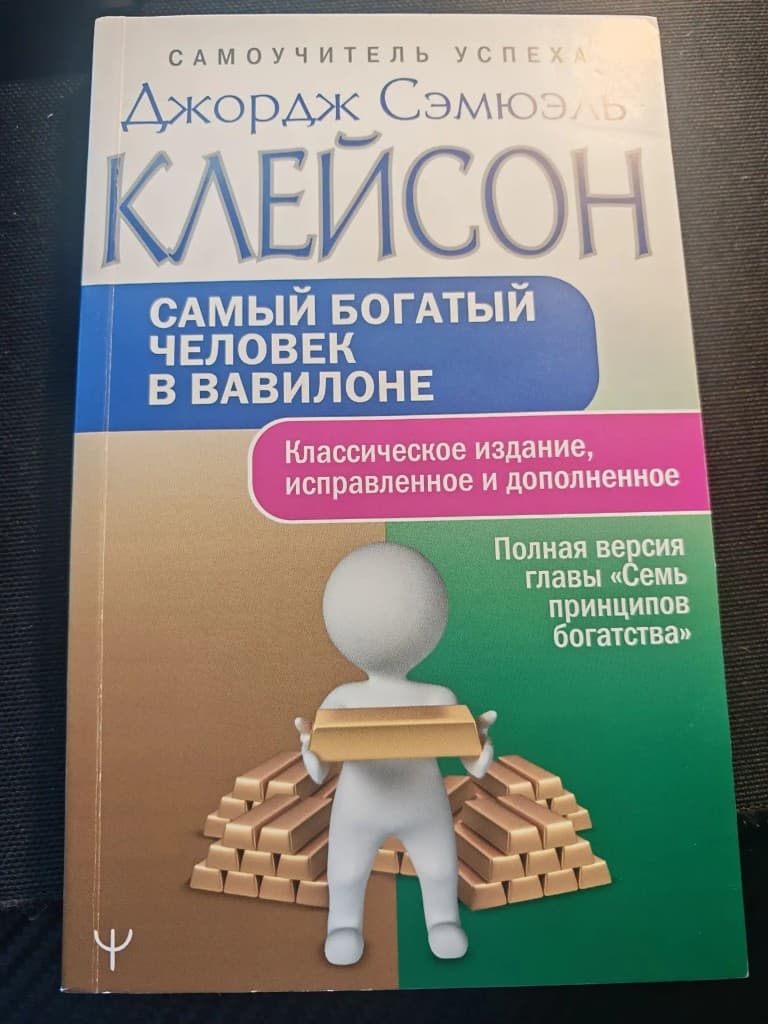
    The Richest Man in Babylon

    George S. Clason

    Parables about the people of ancient Babylon that hide simple rules for handling money. A moneylender, a camel trader, a scribe and merchants take turns explaining how to save, not lose and multiply.

    FinanceHabitsApplied in 2 projects
  • Finished

    Remote Work: A Crash Course in Working from Home

    Gleb Arkhangelsky, Olga Strelkova

    A short practical guide to remote work by time management specialists. The book came out in spring 2020, when offices were moving to remote work en masse. Inside: how to organize your workspace and day, avoid burning out at home, stay in touch with the team and manage remote employees.

    ProductivityApplied in 2 projects